Introduction
Electric motorcycles are changing the way India moves. As fuel prices continue to rise and environmental awareness grows, more riders are exploring electric mobility as a practical and cost-effective alternative. While battery capacity, charging time, and riding range often receive the most attention, another critical component plays a major role in determining how an electric motorcycle performs.
That component is the motor controller.
Many riders have heard of an electric motorcycle motor controller but may not fully understand what it does. In simple terms, the motor controller acts as the brain of the motorcycle. It controls how power moves from the battery to the motor, ensuring smooth acceleration, efficient energy use, and reliable performance.
Without a motor controller, an electric motorcycle would not be able to deliver power safely or effectively. Whether you are a daily commuter, an EV enthusiast, or someone considering your first electric motorcycle, understanding the role of this technology can help you better appreciate how modern electric vehicles work.
What Is a Motor Controller in an Electric Motorcycle?
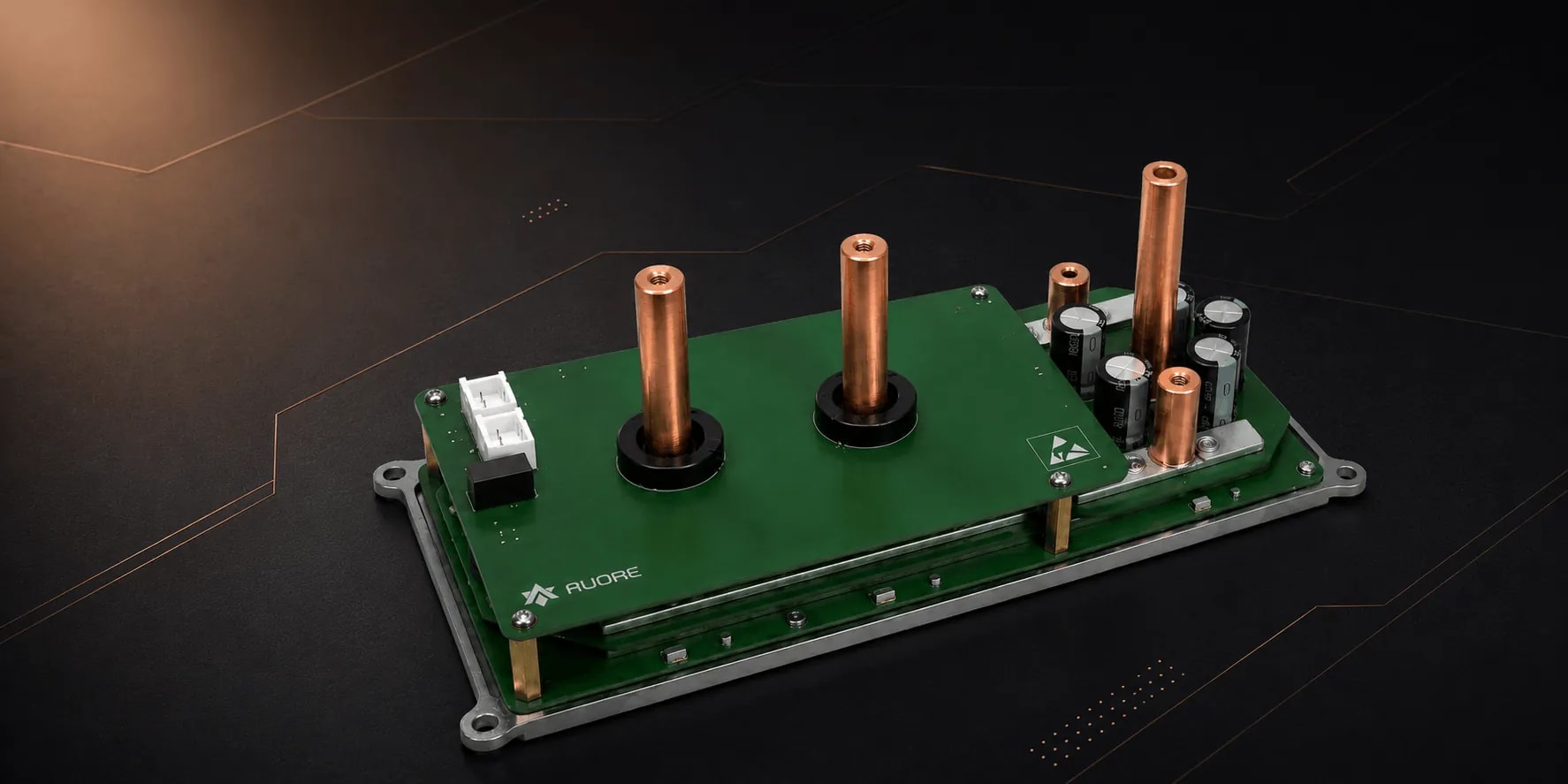
A motor controller in an electric motorcycle is an electronic device that manages the flow of electricity between the battery and the motor. Its primary purpose is to regulate how much power reaches the motor based on rider inputs and operating conditions.
When a rider twists the throttle, the controller receives that command and determines the exact amount of power needed to produce the desired speed and acceleration.
The controller continuously processes information from multiple components, including:
-
Battery system
-
Throttle
-
Motor
-
Sensors
-
Safety systems
By coordinating these components, the motor controller ensures efficient and reliable operation throughout the ride.
As electric vehicle technology becomes more advanced, the role of the electric motorcycle motor controller becomes increasingly important in delivering a smooth and enjoyable riding experience.
Understanding the Role of an Electric Motorcycle Motor Controller
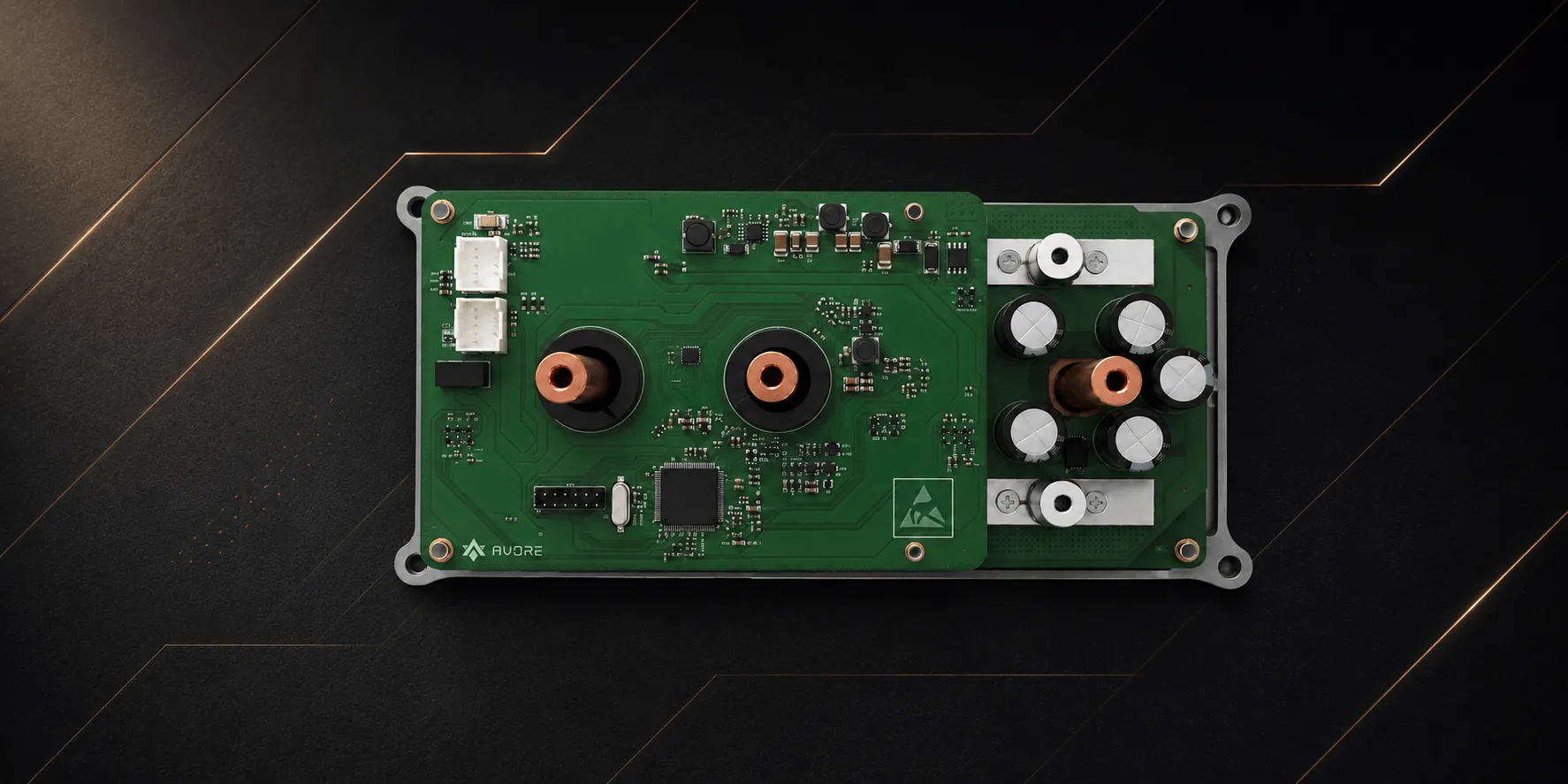
The motor controller function in EV systems extends beyond simply turning the motor on and off. It acts as an intelligent management system that constantly adjusts power delivery based on real-time riding conditions.
Power Management
One of the most important responsibilities of a motor controller is managing power flow.
The battery stores electrical energy, but that energy cannot be delivered directly to the motor without regulation. The controller carefully controls how much electricity reaches the motor at any given moment.
This helps:
-
Improve efficiency
-
Reduce energy waste
-
Prevent component damage
-
Extend battery performance
Effective power management is one of the reasons modern electric motorcycles can provide both strong performance and impressive range.
Speed Control
Riders expect precise control over their motorcycle’s speed. The motor controller makes this possible by interpreting throttle inputs and adjusting motor output accordingly.
Whether a rider wants to accelerate quickly, maintain a steady cruising speed, or navigate slow-moving traffic, the controller ensures smooth and responsive performance.
This precise control is one of the key advantages of modern electric mobility systems.
Torque Regulation
Electric motorcycles are known for their instant torque. However, delivering maximum torque at the wrong time can negatively affect rider comfort and safety.
The motor controller regulates torque output to provide:
-
Smooth acceleration
-
Better traction
-
Improved handling
-
Enhanced rider confidence
By carefully managing torque delivery, the controller helps create a balanced riding experience across different road conditions.
How Does a Motor Controller Work?
Many people ask, “How electric motorcycle motor works with a controller?”
The answer lies in the constant communication between the motorcycle’s electronic systems.
From Throttle Input to Motor Output
The process begins when the rider twists the throttle.
Here is a simplified overview:
-
The throttle sends a signal to the motor controller.
-
The controller calculates the required power output.
-
It draws the appropriate amount of energy from the battery.
-
The controller converts and regulates the electrical current.
-
The motor receives the power and generates movement.
-
The motorcycle accelerates smoothly.
This entire process happens almost instantly and repeats continuously throughout the ride.
The rider experiences smooth acceleration, but behind the scenes, the motor controller is making thousands of calculations every second.
Communication with the Battery and Motor
A modern electric motorcycle motor controller functions as a communication hub.
It constantly exchanges information with:
-
Motor sensors
-
Temperature sensors
-
Vehicle control units
This real-time communication allows the motorcycle to adjust performance based on battery condition, motor temperature, riding mode, and operating environment.
The result is safer, more efficient, and more reliable operation.
What Does a Motor Controller Do? Key Functions Explained
To fully understand what does a motor controller do, it helps to examine its core functions in greater detail.
Controls Speed and Acceleration
The most visible role of the controller is managing speed and acceleration.
The controller determines:
-
How quickly the motorcycle accelerates
-
How much power is delivered
-
How smoothly speed changes occur
Without a controller, acceleration would be unpredictable and difficult to manage.
By continuously regulating power output, the controller helps provide a comfortable and responsive riding experience.
Optimizes Battery Usage
Battery efficiency is a major concern for electric vehicle owners.
The motor controller helps optimize energy consumption by ensuring that only the required amount of power is delivered to the motor.
Benefits include:
-
Better riding range
-
Reduced energy waste
-
Improved overall efficiency
-
Consistent performance
This makes the controller an essential contributor to long-term EV efficiency.
Supports Regenerative Braking
Many modern electric motorcycles feature regenerative braking technology.
When the rider slows down, the motor can act as a generator and recover a portion of the vehicle’s kinetic energy.
The motor controller manages this process by directing recovered energy back to the battery.
Benefits of regenerative braking include:
-
Improved efficiency
-
Better energy recovery
-
Reduced brake wear
-
Extended riding range
Protects EV Components
Protection is another critical motor controller function in EV systems.
The controller continuously monitors operating conditions and helps prevent issues such as:
-
Overheating
-
Overcurrent
-
Voltage fluctuations
-
Electrical faults
-
Excessive power draw
These protective measures help preserve the health of both the motor and battery while supporting long-term reliability.
Why Motor Controllers Matter in Electric Motorcycles
The motor controller plays a direct role in determining how an electric motorcycle performs on the road. While the battery supplies energy and the motor creates movement, the controller ensures that both components work together efficiently.
Better Performance
Performance is about more than just top speed. Riders expect quick acceleration, smooth power delivery, and predictable handling.
A quality electric motorcycle motor controller helps achieve these goals by continuously adjusting power output based on rider demand and riding conditions.
This results in:
-
Faster response to throttle inputs
-
Consistent acceleration
-
Better ride quality
-
Improved overall performance
Improved Efficiency
Efficiency is one of the biggest advantages of electric mobility.
The motor controller helps maximize efficiency by ensuring that energy is used intelligently. Instead of sending unnecessary power to the motor, it delivers only what is needed.
This contributes to:
-
Better battery utilization
-
Extended riding range
-
Reduced energy loss
-
Lower operating costs
For daily commuters in Indian cities, improved efficiency can make a noticeable difference in everyday riding.
Enhanced Rider Safety
Safety is a critical consideration in every electric vehicle.
The motor controller helps maintain safe operating conditions by monitoring system performance and preventing electrical issues before they become serious.
Features such as controlled acceleration, temperature monitoring, and fault detection contribute to a safer and more dependable riding experience.
Motor vs Motor Controller: What’s the Difference?
Many people confuse the motor and motor controller because both are essential parts of an electric motorcycle. However, they serve very different functions.
|
Motor |
Motor Controller |
|
Converts electrical energy into mechanical motion |
Controls how electrical power reaches the motor |
|
Creates wheel movement |
Manages speed, acceleration, and torque |
|
Acts as the muscle of the motorcycle |
Acts as the brain of the motorcycle |
|
Generates motion |
Controls motion |
|
Performs the physical work |
Makes intelligent power decisions |
A simple way to understand the difference is to think of the motor as the muscles and the controller as the brain.
The brain decides what should happen, while the muscles carry out the action.
Without the motor, the motorcycle cannot move. Without the controller, the motor cannot receive and regulate power properly.
Both components are equally important for delivering a smooth, safe, and efficient ride.
Types of Motor Controllers Used in Electric Motorcycles
As electric vehicle technology evolves, motor controllers continue to become more advanced.
BLDC Motor Controllers
Most modern electric motorcycles use Brushless DC (BLDC) motors.
BLDC motor controllers are designed specifically to manage these motors efficiently.
Their advantages include:
-
High efficiency
-
Smooth operation
-
Reliable performance
-
Lower maintenance requirements
Because of these benefits, BLDC technology has become a popular choice across the EV industry.
Motor Controllers
The latest generation of electric motorcycles uses motor controllers that offer more advanced capabilities.
These systems can provide:
-
Multiple riding modes
-
Improved energy management
-
Real-time diagnostics
-
Enhanced safety features
-
Better performance optimization
As electric mobility continues to grow, controllers are expected to play an even larger role in improving the rider experience.
Signs of a Faulty Motor Controller
Like any electronic component, a motor controller can develop issues over time.
Recognizing the warning signs early can help prevent more serious problems.
Inconsistent Acceleration
If the motorcycle accelerates unpredictably or fails to respond smoothly to throttle inputs, the controller may not be regulating power correctly.
Sudden Power Loss
Unexpected reductions in power or temporary shutdowns can indicate communication or controller-related problems.
Overheating Issues
Excessive heat can affect controller performance and may trigger protective safety functions.
Frequent overheating should always be investigated by a qualified technician.
Error Messages or Warning Indicators
Modern electric motorcycles often include diagnostic systems that display warning indicators when faults are detected.
Repeated alerts may point to motor controller issues that require professional attention.
Addressing problems early can help maintain performance and avoid unnecessary component damage.
How Modern Motor Controllers Improve the Riding Experience
Today’s riders expect more from their motorcycles than simple transportation.
They want performance, efficiency, reliability, and convenience.
Modern motor controllers help deliver all of these benefits.
Smoother Throttle Response
Precise power management creates a more natural and predictable riding experience.
The motorcycle responds quickly without feeling abrupt or difficult to control.
Better Range Efficiency
Efficient power delivery helps riders maximize every charge.
This is particularly valuable for urban commuters who rely on their motorcycle for daily transportation.
Multiple Riding Modes
Many advanced controllers support different riding modes that allow riders to prioritize performance, efficiency, or comfort depending on their needs.
Consistent Performance
Whether navigating city traffic, climbing inclines, or riding on open roads, intelligent controllers help maintain stable and dependable performance.
Why Advanced Motor Controllers Are Shaping the Future of Electric Mobility
Electric vehicles are becoming advanced every year. Future motor controllers will do far more than simply regulate power.
Emerging technologies are expected to include:
-
Advanced energy optimization
-
Connected vehicle systems
-
Predictive diagnostics
-
Artificial intelligence integration
-
Enhanced rider customization
These developments will help create electric motorcycles that are safer, more efficient, and more responsive to rider preferences.
As EV adoption accelerates across India, intelligent control systems will become a major factor in delivering better ownership experiences.
How AVORE Supports Advanced Electric Motorcycle Technology
At AVORE, technology is designed to make everyday mobility simpler, more engaging, and more dependable.
Modern riders want motorcycles that combine performance, affordability, and reliability without unnecessary complexity. Intelligent systems such as advanced motor controllers play an important role in achieving this balance.
By focusing on human-centered innovation, AVORE aims to create electric motorcycles that deliver smooth performance, efficient energy usage, and a seamless riding experience for India’s next generation of riders.
As electric mobility continues to evolve, advanced technologies will remain central to creating products that are practical, exciting, and built for real-world conditions.
Conclusion
Electric motorcycles rely on a combination of advanced technologies to deliver the performance and efficiency that riders expect.
Among these technologies, the motor controller is one of the most important.
It acts as the brain of the motorcycle, managing power flow between the battery and motor while controlling speed, acceleration, torque, efficiency, and safety.
Whether you are researching what does a motor controller do, learning about motor controller function in EV systems, or exploring how electric motorcycle motor works, understanding this technology helps explain what makes modern electric motorcycles so effective.
As India’s EV ecosystem continues to grow, intelligent motor controller technology will remain a key part of creating safer and more efficient electric mobility solutions.
Frequently Asked Questions
What does a motor controller do in an electric motorcycle?
A motor controller regulates the flow of electricity between the battery and motor. It controls speed, acceleration, torque, efficiency, and overall vehicle performance.
How does an electric motorcycle motor controller work?
The controller receives signals from the throttle, calculates the required power, and delivers the appropriate amount of electricity to the motor for smooth operation.
Can an electric motorcycle run without a motor controller?
No. The motor controller is essential because it regulates power delivery between the battery and motor. Without it, the motorcycle cannot operate correctly.
Does a motor controller affect battery life?
Yes. Efficient power management helps reduce unnecessary battery stress, which can contribute to improved battery performance and longevity.
What are the signs of a bad motor controller?
Common signs include inconsistent acceleration, sudden power loss, overheating, error messages, and reduced performance.
What type of motor controller is used in electric motorcycles?
Most modern electric motorcycles use BLDC motor controllers designed to manage brushless DC motors efficiently.
Why is a motor controller important for EV performance?
The controller helps optimize power delivery, improve efficiency, support safety systems, and ensure smooth acceleration, making it essential for overall EV performance.