Introduction
Electric motorcycles are changing the way people think about daily travel, but the riding experience depends heavily on one important component: the battery. Battery chemistry influences how much energy an electric motorcycle can store, how quickly it can deliver power, and how efficiently the motorcycle performs on the road.
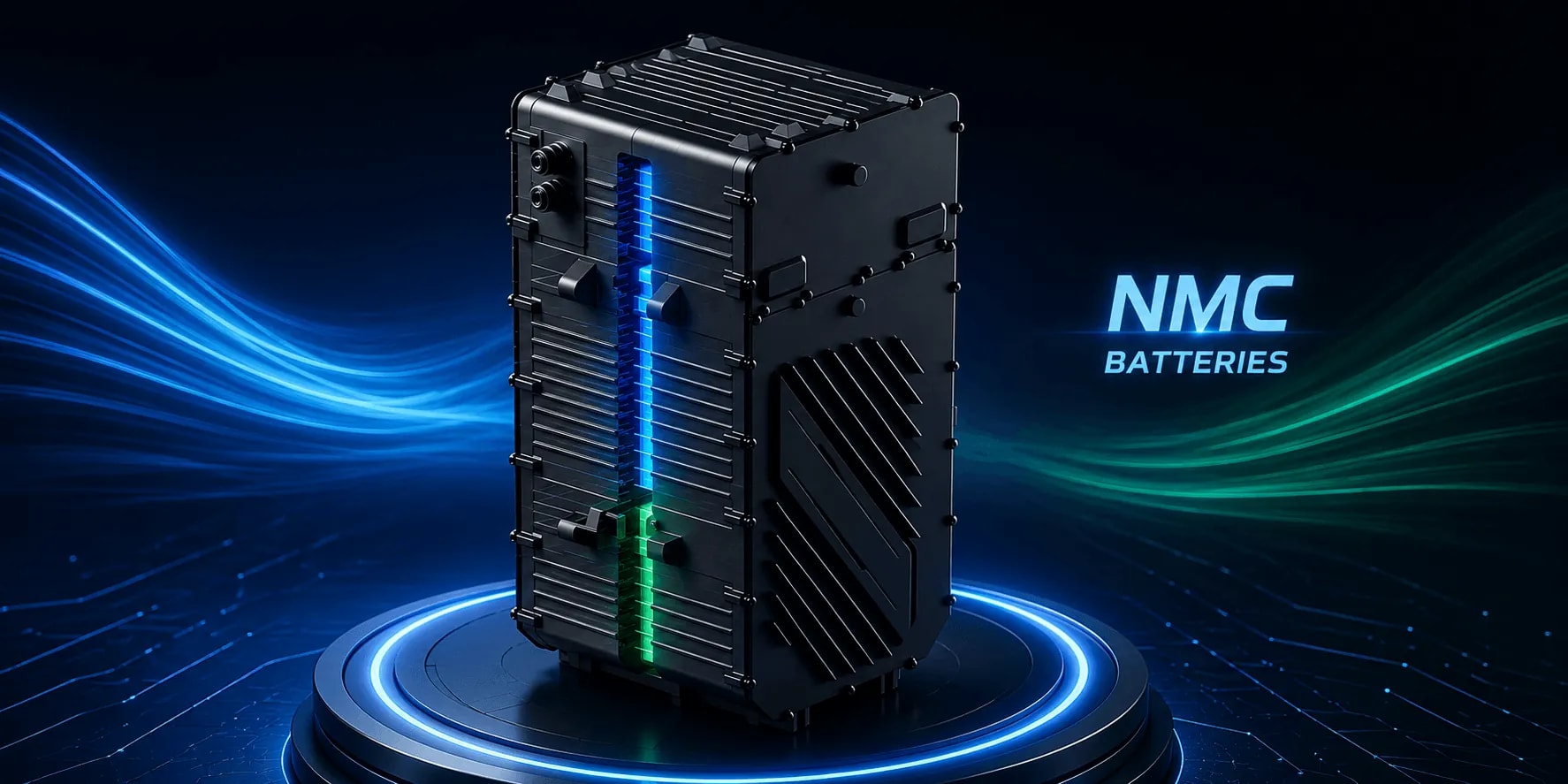
Among the different lithium-ion battery chemistries used in electric mobility, NMC battery technology has become a popular choice for performance-focused electric vehicles. NMC batteries for electric motorcycles offer a strong balance of energy density, power delivery, weight, and reliability. These qualities make the technology well suited for modern electric motorcycles where range and responsive performance both matter.
What Are NMC Batteries?
NMC stands for Nickel Manganese Cobalt, the three key materials used in the cathode of this lithium-ion battery chemistry. Each material contributes to the overall characteristics of the battery.
Nickel supports higher energy storage, manganese contributes to stability, and cobalt helps maintain battery performance and cell structure. Together, these materials create a lithium-ion NMC battery that can deliver a practical balance between energy capacity and power output.
This combination is one reason NMC battery technology is widely considered for modern electric mobility applications. For electric motorcycles, where battery size and weight must be carefully managed, high energy storage in a compact battery pack can directly support a better riding experience.
Higher Energy Density Means Longer Riding Range
Battery energy density refers to how much energy a battery can store relative to its size or weight. A higher energy density allows more usable energy to be packed into a compact battery system.
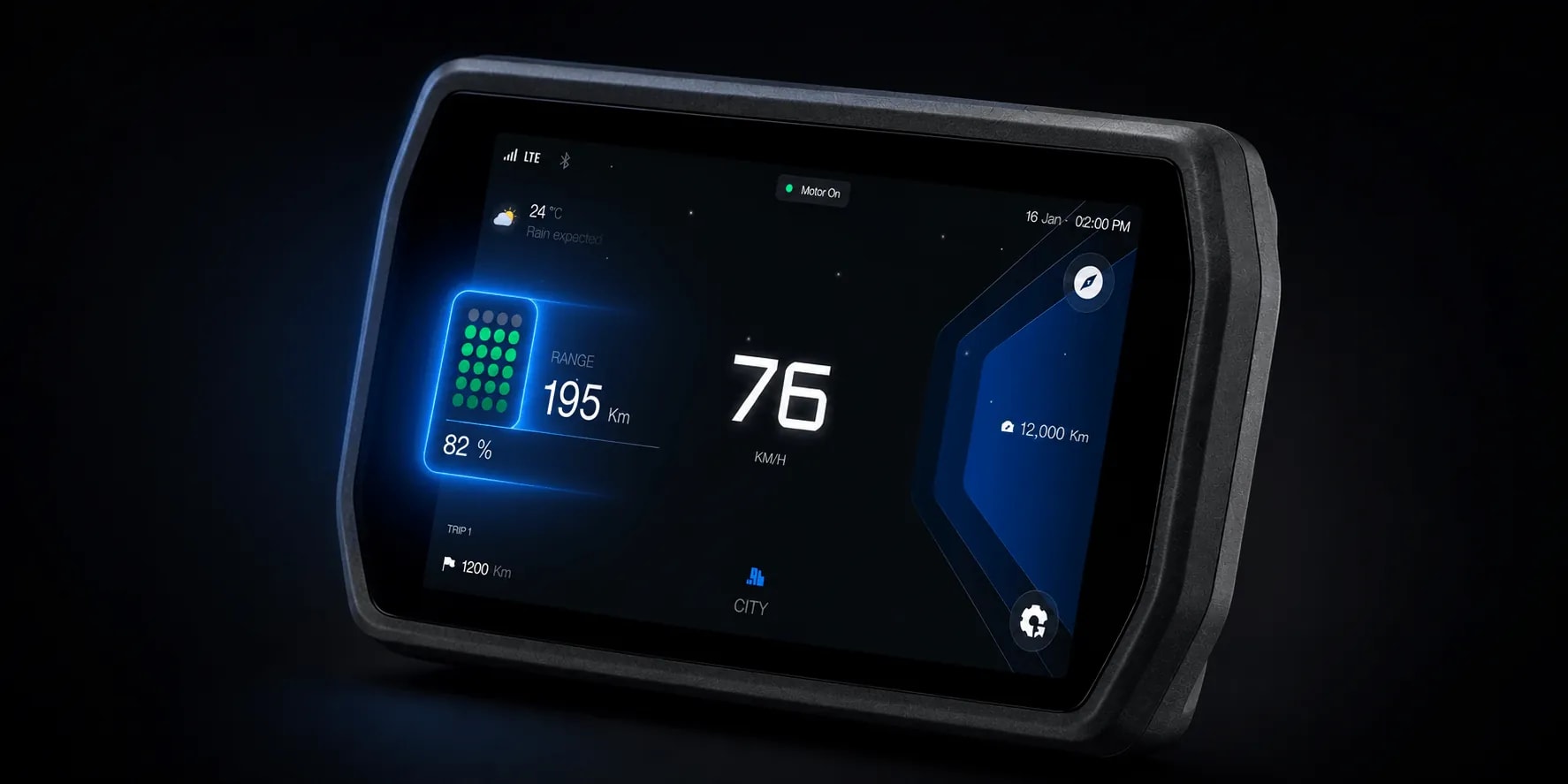
For riders, this can contribute to a longer electric motorcycle range without requiring an unnecessarily large or heavy battery pack. More stored energy gives the motorcycle greater flexibility for daily commuting and longer rides, depending on vehicle design, riding conditions, and usage. Riders can also understand available battery energy through the State of Charge (SOC) displayed by the motorcycle's battery system.
The compact nature of an NMC-based electric motorcycle battery also gives manufacturers more flexibility when designing the motorcycle. This helps balance battery capacity with vehicle weight, efficiency, and overall riding dynamics.
Better Acceleration and Power Delivery
Electric motorcycles are known for quick and responsive power delivery. The battery plays an important role in supporting this experience because it must supply energy to the motor efficiently when the rider accelerates. The motor controller also plays an important role in managing how electrical power reaches the motor.
NMC batteries can support strong power output, helping the electric powertrain respond smoothly to rider input. This contributes to responsive acceleration, consistent power delivery, and a more controlled riding experience.
The result is not only about speed. Reliable EV battery performance also matters in city traffic, during overtaking, and when riding through changing road conditions. A battery that supports efficient power delivery helps the motorcycle feel more predictable and responsive during everyday use.
Lightweight Design Improves Performance
Battery weight can significantly influence the handling and efficiency of an electric motorcycle. A heavier battery pack may affect maneuverability, while a well-optimised battery system can support a more balanced vehicle design.
Because of their high energy density, NMC batteries for electric motorcycles can store more energy in a relatively compact system. This can help reduce unnecessary battery bulk while supporting the required energy capacity.
A better weight balance can contribute to easier maneuverability, improved handling, and efficient energy use. For riders navigating urban roads and frequent traffic, these characteristics can make the motorcycle more comfortable and practical to ride.
Thermal Performance for Consistent Riding
Battery temperature is closely connected to performance, charging efficiency, and long-term battery health. During riding and charging, the battery generates heat, making thermal management an important part of electric motorcycle design.
NMC battery technology works alongside the Battery Management System and thermal management strategy of the vehicle. These systems monitor battery conditions and help maintain stable operation within the designed temperature range.
Reliable thermal performance of EV batteries supports consistent power delivery and helps protect battery cells from unnecessary stress. Proper temperature monitoring also contributes to battery longevity and safer operation during different riding conditions.
To understand this topic in more detail, riders can also read Why Battery Temperature Matters in Electric Vehicles? and What Is Avore BMS and Why Does It Matter in Electric Motorcycles?
Why AVORE Uses NMC Battery Technology
At AVORE, we have chosen NMC battery technology because it offers an effective balance of energy density, power delivery, and reliability. These characteristics support longer rides, responsive acceleration, and efficient performance in a compact electric motorcycle battery system.
Our focus is on developing electric motorcycles that suit modern riding needs and real-world road conditions. By combining NMC battery technology with intelligent battery monitoring and electric powertrain systems, AVORE aims to deliver a dependable and enjoyable electric riding experience.
Conclusion
Battery chemistry has a major influence on electric motorcycle performance. Higher energy density can support longer range, efficient power delivery can improve acceleration, and a compact battery design can contribute to better handling and vehicle efficiency.
NMC batteries bring these important characteristics together, making them a strong choice for modern electric motorcycles. When supported by intelligent battery management and proper thermal control, NMC technology can contribute to consistent and reliable EV battery performance.
As electric mobility continues to evolve, AVORE is focused on using advanced battery and motorcycle technologies to create an efficient, responsive, and practical electric riding experience.
Frequently Asked Questions
What does NMC mean in an electric motorcycle battery?
NMC stands for Nickel Manganese Cobalt. These materials are used in the cathode of a lithium-ion battery and help provide a balance of energy density, power, and battery stability.
Why are NMC batteries used in electric motorcycles?
NMC batteries are suitable for electric motorcycles because they offer high energy density, responsive power delivery, and a compact battery design. These qualities can support range, handling, and overall performance.
Do NMC batteries improve electric motorcycle range?
Their high energy density allows more energy to be stored in a compact battery pack. This can support a longer riding range, although actual range also depends on motorcycle design, riding style, road conditions, and other factors.
Are NMC batteries lightweight?
NMC battery technology offers high energy storage relative to battery size and weight. This helps manufacturers design compact battery systems and manage the overall weight balance of an electric motorcycle.
How does NMC battery technology affect acceleration?
NMC batteries can support strong and efficient power delivery to the motor. This helps the electric powertrain provide responsive acceleration and smooth power during everyday riding.
Why is thermal management important for NMC batteries?
Thermal management helps maintain the battery within its designed operating conditions. Proper temperature monitoring supports consistent performance, charging efficiency, battery longevity, and safe operation.