Introduction
Electric vehicles are transforming the way people commute, especially in India, where rising fuel prices and growing environmental awareness are encouraging more riders to switch to electric mobility. While factors such as riding range, charging time, and battery capacity often receive the most attention, one equally important aspect is frequently overlooked. That aspect is EV battery temperature.
The temperature of an electric vehicle battery has a direct impact on performance, charging efficiency, safety, and long-term reliability. Whether you ride an electric motorcycle daily through busy city traffic or use it for occasional weekend trips, maintaining the right battery temperature helps ensure a smoother and more dependable riding experience.
Modern electric motorcycles are equipped with intelligent systems that monitor and regulate battery temperature in electric vehicles. These technologies protect the battery from extreme heat and cold, allowing it to operate efficiently in different weather conditions.
In this blog, we'll explore why battery temperature matters, how an EV battery cooling system works, and what riders can do to maintain better battery health.
What Is EV Battery Temperature?
EV battery temperature refers to the internal operating temperature of the lithium-ion battery pack that powers an electric vehicle. It is different from the outside weather temperature. Even on a pleasant day, the battery can heat up while riding, accelerating, or charging.
Lithium-ion batteries perform best within an ideal temperature range. If the battery becomes too hot, chemical reactions inside the cells speed up, which may reduce efficiency and gradually shorten battery life. On the other hand, if the battery becomes too cold, it may temporarily deliver less power and charge more slowly.
This is why modern electric motorcycles continuously monitor electric vehicle battery temperature using sensors and a Battery Management System (BMS). These systems help maintain optimal operating conditions, ensuring reliable performance in different riding environments.
Why Battery Temperature Matters in Electric Vehicles
Better Performance and Driving Range
Battery temperature directly affects how efficiently energy flows from the battery to the motor. When the battery operates within its recommended temperature range, the motorcycle delivers smoother acceleration, consistent power, and improved energy efficiency.
A properly managed EV battery temperature helps riders enjoy:
-
Smooth throttle response
-
Consistent acceleration
-
Better energy efficiency
-
Improved riding range
If the battery becomes excessively hot or cold, performance may temporarily decrease as the Battery Management System automatically protects the battery from unnecessary stress.
For riders who depend on their electric motorcycle for daily commuting, maintaining the right battery temperature contributes to a more reliable and enjoyable riding experience.
Longer Battery Life
The battery is one of the most valuable components of an electric motorcycle, making its long-term health a priority for every EV owner.
Repeated exposure to extreme temperatures can accelerate battery degradation over time. High temperatures place additional stress on battery cells, while prolonged exposure to very low temperatures can temporarily reduce efficiency.
Maintaining a stable battery temperature in electric vehicles helps:
-
Slow battery ageing
-
Maintain charging efficiency
-
Improve long-term reliability
-
Reduce the likelihood of costly battery replacement
An efficient thermal management system allows the battery to operate under favourable conditions, supporting better performance throughout its lifespan.
Improved EV Battery Safety
Safety is one of the biggest advantages of modern electric vehicles, and battery temperature plays a key role in maintaining it.
Today's electric motorcycles use advanced Battery Management Systems that constantly monitor temperature, voltage, and charging conditions. If abnormal heat is detected, the system can automatically reduce power output or adjust charging speed to protect the battery.
These intelligent safety measures help minimise the risk of EV battery overheating while improving overall EV battery safety.
By continuously monitoring battery conditions, modern electric motorcycles provide riders with greater confidence, especially during long rides or fast charging sessions.
How EV Battery Cooling Systems Work
An efficient EV battery cooling system plays a crucial role in maintaining the ideal operating temperature of an electric vehicle battery. As the battery generates heat during riding and charging, the cooling system helps regulate its temperature to ensure consistent performance and long-term reliability.
Modern electric motorcycles generally use one of the following cooling methods:
Passive Cooling
Passive cooling relies on natural airflow and heat-dissipating materials to manage battery temperature. This approach is simple, lightweight, and commonly found in electric two-wheelers designed for everyday commuting.
Active Cooling
Active cooling uses dedicated components such as fans or liquid cooling systems to remove excess heat from the battery pack. It is typically used in higher-performance electric vehicles that experience greater thermal loads.
Regardless of the cooling method, the Battery Management System continuously monitors battery conditions. If the battery temperature begins to rise beyond the recommended range, the system can automatically adjust power delivery or charging speed to prevent excessive heat buildup.
An effective cooling system not only improves riding performance but also contributes to better charging efficiency, enhanced battery safety, and a longer battery lifespan.
Tips to Prevent EV Battery Overheating
While modern electric motorcycles are equipped with advanced safety systems, riders can also follow a few simple practices to help prevent EV battery overheating. Maintaining the right battery temperature is only one part of keeping your electric motorcycle in top condition. Following practical EV battery maintenance tips can further improve battery health, efficiency, and long-term performance.
Avoid Prolonged Exposure to Direct Sunlight
During India's summer months, parking your motorcycle under direct sunlight for extended periods can increase battery temperature. Whenever possible, choose a shaded parking area or covered parking space.
Follow Recommended Charging Practices
Charging habits have a direct impact on battery health. Always use the charger recommended by the manufacturer and avoid unnecessary charging sessions when the battery is already sufficiently charged.
Limit Frequent Fast Charging
Fast charging is convenient, but using it too often may generate additional heat inside the battery. For regular daily use, standard charging can help maintain healthier battery temperatures over time.
Ride Responsibly
Aggressive acceleration and sustained high-speed riding can increase battery load and generate more heat. Smooth riding habits not only improve efficiency but also reduce thermal stress on the battery.
Keep Your EV Well Maintained
Routine servicing helps ensure that the battery management system and other electrical components continue to operate efficiently. Regular maintenance supports optimal electric vehicle battery temperature management throughout the life of the motorcycle.
Why Battery Temperature Matters for Indian EV Riders
India presents unique challenges for electric vehicle owners. High summer temperatures, heavy traffic, and frequent stop-and-go riding can all influence battery temperature in electric vehicles.
For urban commuters, maintaining the right battery temperature is essential for consistent performance and dependable daily travel. An intelligent Battery Management System and an efficient EV battery cooling system help the motorcycle adapt to varying riding conditions without compromising safety or efficiency.
As electric mobility continues to grow across India, riders are increasingly looking for motorcycles that combine performance, reliability, and advanced battery protection. Choosing an EV with effective thermal management can make a noticeable difference in both riding experience and long-term ownership.
How AVORE Supports Advance Electric Motorcycle Technology
At AVORE, innovation is driven by the needs of everyday riders. Every electric motorcycle is designed to deliver a balance of performance, efficiency, and reliability while adapting to real-world Indian riding conditions.
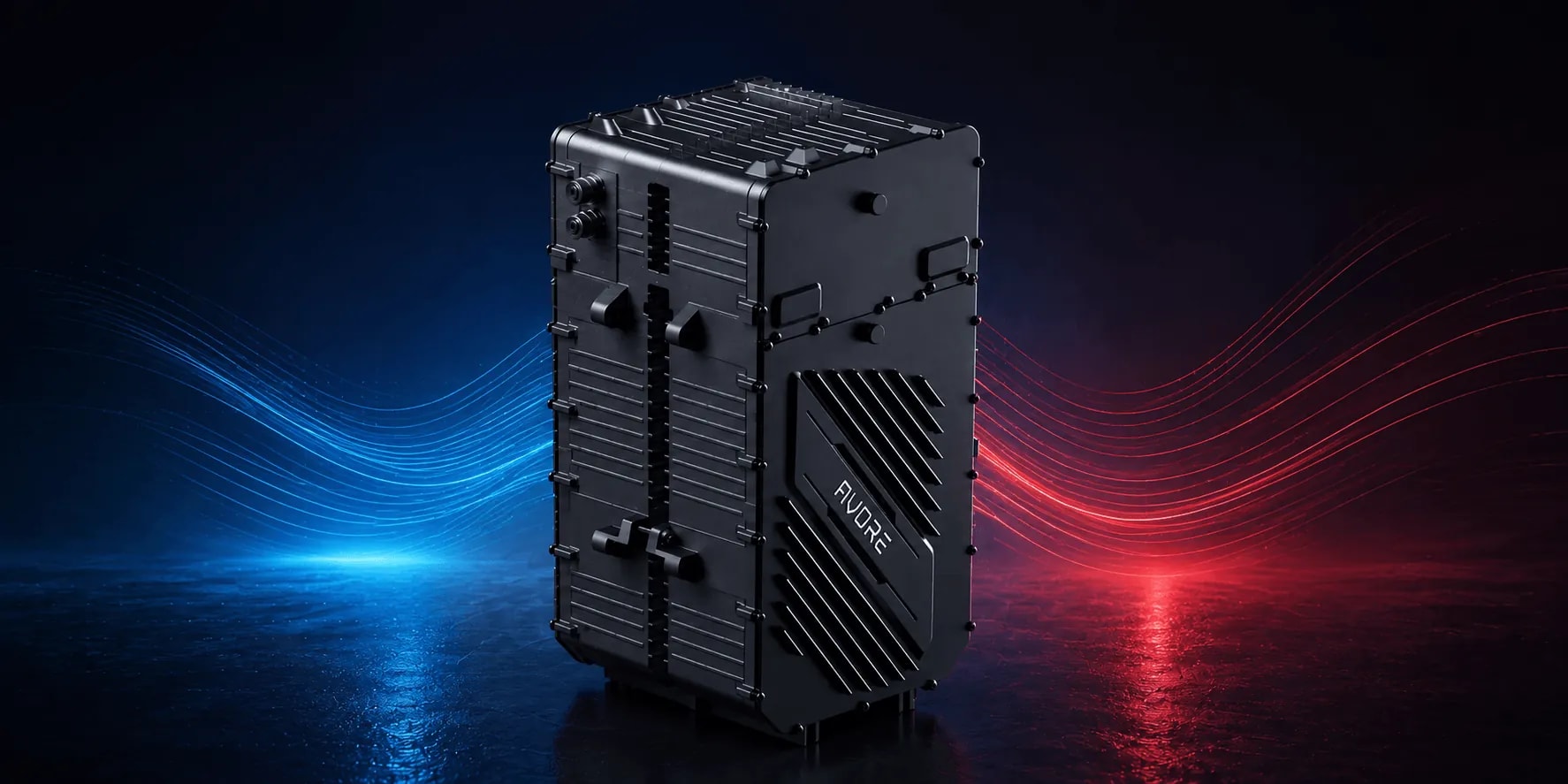
AVORE electric motorcycles use advanced NMC (Nickel Manganese Cobalt) lithium-ion batteries, which are widely recognised for their high energy density, excellent performance, and longer lifespan. Like all lithium-ion batteries, NMC batteries deliver their best performance when maintained within the recommended operating temperature range. Proper thermal management helps maximise efficiency, maintain consistent power delivery, support faster charging, and contribute to long-term battery health, making battery temperature an essential factor in overall EV performance.
Intelligent battery management plays an important role in achieving this balance. By supporting stable battery operation and enhancing EV battery safety, AVORE focuses on creating motorcycles that offer dependable performance throughout daily commutes and longer rides.
As electric mobility continues to evolve, AVORE remains committed to developing technology that simplifies ownership, improves rider confidence, and supports sustainable transportation for the next generation.
Conclusion
Battery temperature is much more than a technical specification. It directly affects how an electric motorcycle performs, how efficiently it charges, how long the battery lasts, and how safely the vehicle operates.
Understanding the importance of EV battery temperature helps riders make informed decisions about charging habits, maintenance, and overall vehicle care. With advanced battery management systems and efficient cooling technologies, modern electric motorcycles are better equipped than ever to maintain reliable performance in different weather conditions.
As India's electric mobility landscape continues to expand, choosing an electric motorcycle with intelligent thermal management, such as those developed by AVORE, can provide greater confidence, efficiency, and long-term value.
Frequently Asked Questions
What is the ideal EV battery temperature?
Most lithium-ion batteries perform best within a moderate operating temperature range. Modern Battery Management Systems continuously monitor battery conditions to maintain safe and efficient performance.
Why is EV battery temperature important?
Battery temperature affects riding performance, charging efficiency, battery lifespan, and overall safety. Maintaining the correct temperature helps the battery operate more efficiently and last longer.
What causes EV battery overheating?
High ambient temperatures, prolonged fast charging, aggressive riding, and continuous heavy loads can all contribute to EV battery overheating. Modern Battery Management Systems help reduce these risks.
How does an EV battery cooling system work?
An EV battery cooling system regulates battery temperature by dissipating excess heat. Depending on the vehicle, it may use passive airflow or active cooling methods while working alongside the Battery Management System.
Does hot weather affect electric vehicle battery temperature?
Yes. High outdoor temperatures can increase electric vehicle battery temperature, especially during long rides or charging. Modern thermal management systems help keep the battery within a safe operating range.
How can I improve EV battery safety?
Following recommended charging practices, avoiding prolonged exposure to extreme heat, scheduling regular maintenance, and riding responsibly all contribute to improved EV battery safety and better long-term battery health.