Charge smart, not just fast
Fast charging and frequent 100% top-ups are convenient, but they’re not always kind to
the battery. To maximise life:
- Use fast charging when you need it, not every time.
- If your daily commute uses, say, 40–50% of the battery, aim for a working window like 30–80% instead of dropping to 0% and charging to 100% every day.
- Avoid immediately fast charging a battery that is already very hot from hard riding; let it cool a bit if possible.
These small adjustments reduce high-stress combinations like high current + high temperature + high state of charge, which are known to accelerate degradation.
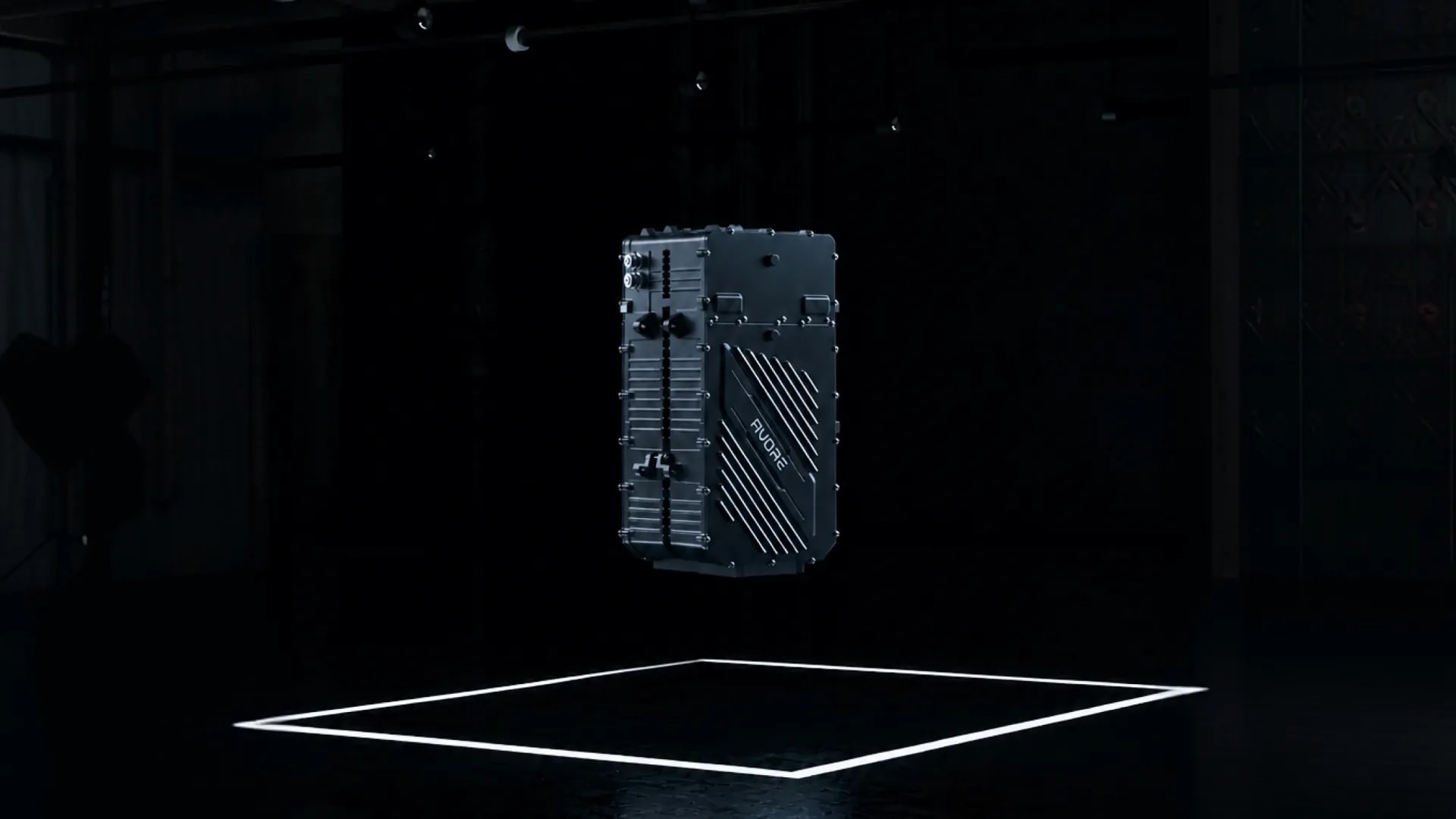
Avore’s smart charger and AI-enabled BMS use temperature- and voltage- adaptive charging to apply this principle automatically—speed when conditions are safe, protection when the pack is stressed.
Respect temperature: park and ride with climate in mind
Lithium-ion batteries dislike extremes. In India, heat is usually a bigger enemy than cold.
- Whenever possible, park in shade or covered areas instead of direct sun, especially if the battery is near full.
- Avoid leaving your EV at 100% charge sitting in a hot parking lot for days.
- During colder months, expect temporary range drop and avoid very aggressive fast charging on an ice-cold battery.
If you can’t control the climate, control exposure: reduce how long the battery stays
very hot or very full. Over time, this significantly slows capacity loss.
Avoid deep discharges as a routine
Occasional low-SOC events won’t kill the battery but running it down to near-zero regularly adds stress. Good practice:
- Try to recharge before you routinely drop into the last 10%–15% of SOC.
- Don’t store the vehicle for long periods at very low charge; aim for a mid-SOC
(around 40–60%) if parking for weeks.
Staying away from both extremes—near-empty and always-full—helps preserve the internal structure of the cells over thousands of cycles.
Smooth out your riding style
Your right wrist (or right foot) has more influence on battery life than most people realise. Aggressive riding means:
- Higher current spikes (high C-rate) during hard acceleration.
- More heat generated inside the pack, especially in hot weather or with heavy load.
You don’t have to ride slowly, but you can:
- Avoid constant full throttle launches when not necessary.
- Maintain more consistent speeds instead of repeated harsh acceleration and braking.
- Be extra mindful in peak summer afternoons and on steep inclines with a pillion or load.
This reduces cumulative stress and thermal cycling inside the pack, which are major drivers of long-term degradation.
Follow healthy charging routines at home
Home charging is where you have the most control. A few habits pay off big over time:
- Use a reliable, correctly earthed outlet and follow the OEM’s charger guidelines.
- Avoid daisy-chaining extension cords or cheap adapters that can cause voltage drops or heating.
- If your EV supports scheduled charging, time it to finish near your usual departure rather than staying at 100% all night.
These steps improve not just battery life but also safety and charger reliability.
Let the BMS do its job
Modern EVs ship with Battery Management Systems designed to protect and optimise the pack. As an owner:
- Avoid bypassing safety systems or using non-recommended chargers and “hacks”.
- Apply software or firmware updates when offered—many include improvements to battery control and longevity.
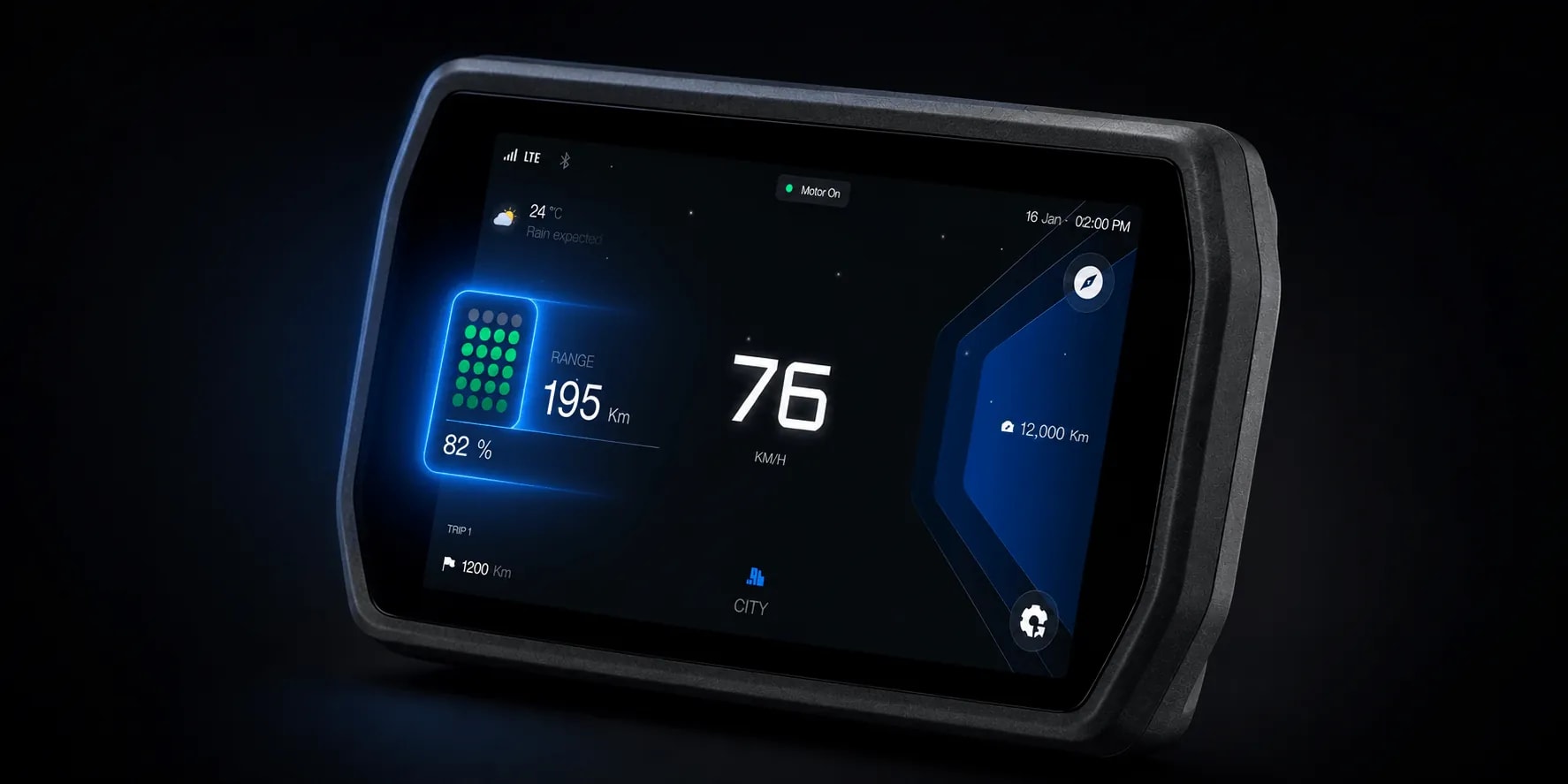
- Pay attention to battery-related warnings on the cluster or app instead of ignoring them.
A good BMS quietly reduces stress where it can—limiting power in extremes, moderating charging, and balancing cells. Working with it, not against it, is an easy maintenance “win.”
Avore’s proprietary BMS combines high-accuracy sensing, fast cell balancing and real- time diagnostics to implement many of these protections in software, so owners get
more life even if their habits aren’t perfect.
Service and updates: don’t skip the boring stuff
Even though EVs have fewer moving parts, periodic checks still matter for the battery system:
- Ask the service centre to review battery health metrics (SOC accuracy, temperature sensors, error logs).
- Ensure connectors, cooling paths and enclosures remain intact and clean.
- Take advantage of any OEM health reports or battery diagnostics during scheduled services.
Catching issues early—like a weak module, a blocked cooling path, or a failing sensor— can prevent them from turning into bigger degradation or safety problems.
Think long-term: TCO and resale
Good maintenance is not just about “being nice to the battery”—it directly affects:
- How much range you get after 3–5 years.
- Whether you might need repairs or replacement outside warranty.
- The resale value if you plan to upgrade later.
A battery that’s been treated well and managed by a capable BMS is more likely to retain higher capacity, making your EV feel fresher for longer and more attractive in the used market.
If you remember just three things, make them these: avoid extremes (heat, 0% and 100%), be sensible with fast charging, and let the BMS and OEM-recommended routines do their job. Combined with robust pack design, those simple EV battery maintenance habits are often the difference between a pack that feels tired too soon and one that delivers strong, reliable performance across its full intended lifespan.